


Easyjet flight u2238 emergency landing newcastle: Hearing the words “emergency landing” can instantly make you feel uneasy. It sounds serious, even dangerous. But in reality, situations like the EasyJet Flight U2238 emergency landing in Newcastle are often examples of safety systems working exactly as they should. This incident caught attention because it involved a sudden change in flight plans, which naturally raises questions for passengers. People want to know what went wrong, how serious it was, and whether they would be safe in a similar situation.
The truth is, air travel remains one of the safest ways to travel. Modern aircraft are designed with multiple backup systems, and flight crews go through intense training to handle unexpected events calmly and effectively. According to aviation safety insights shared by sources like Google and industry reports, most in-flight issues are managed long before they become dangerous.
In this article, you’ll get a clear and simple explanation of what happened on Flight U2238. You’ll also learn how pilots make decisions under pressure, how cabin crew manage passengers, and what really happens during an emergency landing. By the end, you’ll see that events like this are not about failure, but about prevention and control.
What Happened on EasyJet Flight U2238
EasyJet Flight U2238 was operating as a regular commercial flight from Copenhagen to Manchester. Everything started normally, just like any other routine journey. The takeoff was uneventful, and for a while, the flight continued without any signs of trouble. However, things changed while the plane was mid-air, and the crew had to respond quickly.
Reports about the exact cause vary slightly, but most suggest that there was either a medical emergency involving a passenger or a technical concern that required attention. In aviation, even a small warning is taken seriously. Pilots are trained to act early rather than wait for a situation to become worse. This approach is one of the main reasons air travel is so safe.
Think of it like noticing a warning light in your car. Even if the car is still running, you wouldn’t ignore it—you would stop and check the issue. In the same way, the crew of Flight U2238 decided it was safer to land early rather than continue to Manchester. This quick and cautious decision helped ensure that everyone on board remained safe throughout the situation.
Why the Flight Was Diverted to Newcastle
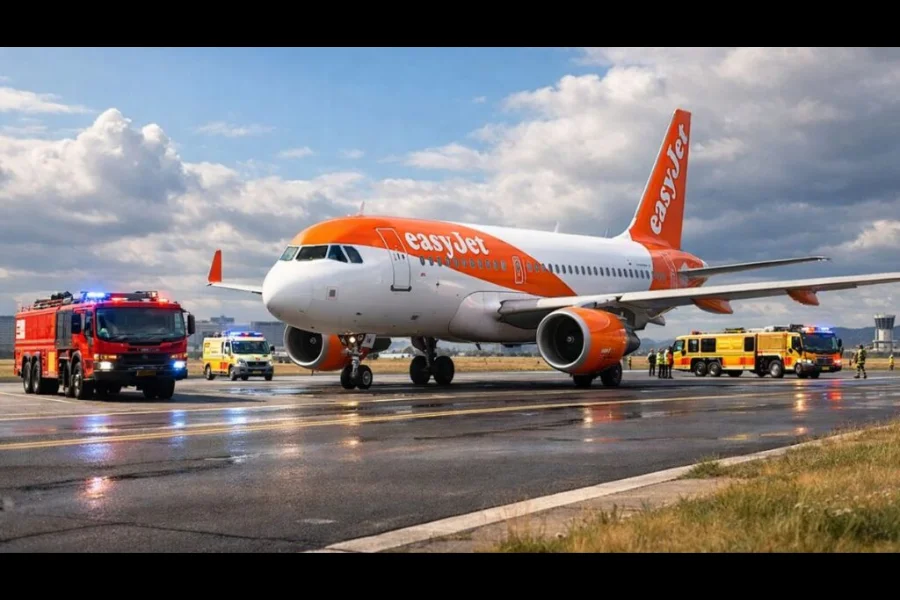
When an unexpected situation happens during a flight, pilots must quickly decide the safest place to land. In the case of the EasyJet Flight U2238 emergency landing in Newcastle, the crew chose Newcastle Airport because it met all the necessary safety requirements. This decision may seem simple, but it actually involves careful evaluation of several important factors.
Pilots consider the distance to nearby airports, the urgency of the situation, weather conditions, and the availability of emergency services. Newcastle Airport was a suitable choice because it offered the right combination of proximity, facilities, and readiness to handle emergencies. This is similar to how you would react if someone in your car suddenly became ill—you would head to the nearest hospital rather than continue your journey.
Air traffic control also plays a key role in this process. Once the pilots decide to divert, they coordinate with controllers who give the aircraft priority clearance and ensure that emergency teams are prepared on the ground. This coordination happens quickly and smoothly, often without passengers realizing how much is happening behind the scenes. The diversion to Newcastle was not a sign of danger, but a smart and proactive step to reduce risk and handle the situation safely.
How the Crew Handled the Situation
Pilot decision-making under pressure
Pilots are trained to handle high-pressure situations with calm and precision. When the issue on Flight U2238 was identified, the pilots did not panic or make rushed decisions. Instead, they followed established procedures to assess the situation and choose the safest course of action. This included evaluating the nature of the problem, checking the aircraft’s systems, and considering how quickly they needed to land.
Once they determined that a diversion was the best option, they communicated with air traffic control to arrange a priority landing at Newcastle Airport. This communication ensures that the aircraft has a clear path and that emergency services are ready upon arrival. Every step is guided by checklists and protocols that pilots practice regularly in simulators.
In real life, this process is similar to how experienced professionals handle emergencies in other fields. They rely on training, not guesswork. According to insights often shared by platforms like HubSpot, repetition and preparation allow experts to stay calm under pressure. The pilots of Flight U2238 demonstrated this perfectly by making a controlled and well-informed decision that kept passengers safe.
Cabin crew response inside the aircraft
While the pilots managed the technical side of the situation, the cabin crew focused on passenger safety and comfort. Their role during an emergency is critical, as they are responsible for maintaining order and ensuring that everyone follows safety instructions. On Flight U2238, the cabin crew acted quickly to address the issue and support both the affected passenger and the rest of the passengers on board.
If the situation involved a medical emergency, the crew would have used onboard medical equipment and possibly asked if any trained medical professionals were among the passengers. At the same time, they needed to communicate clearly with everyone else on the plane. This helps reduce anxiety and prevents panic from spreading.
Cabin crew also prepare the cabin for landing by checking seatbelts, securing loose items, and guiding passengers on safety procedures. Their calm and professional behavior plays a huge role in how passengers feel during the situation. According to aviation insights often referenced by Forbes, cabin crew are trained primarily as safety professionals, not just service providers. Their ability to stay composed and organized ensures that even a stressful situation remains under control.
What Passengers Experienced During the Emergency

For passengers, an emergency landing doesn’t feel “routine” at all—it feels sudden, confusing, and sometimes scary. On Flight U2238, most people were likely going about their normal in-flight routine when the announcement came. Maybe they were watching a movie, eating, or even sleeping. Then suddenly, the crew informed them that the flight would be diverting to Newcastle. Even when the message is delivered calmly, hearing that your plane is not going to its original destination can make your heart race. That reaction is completely normal because, as a passenger, you don’t have full visibility into what’s happening behind the scenes.
As the aircraft began its descent, passengers may have started noticing subtle changes. The plane might have turned earlier than expected or descended faster than usual. Then, as it approached the runway, some passengers likely saw emergency vehicles—fire trucks, ambulances, and support teams—lined up nearby. This moment often feels the most intense because visually, it signals that something serious is happening. But in reality, this is standard protocol. These teams are always present during emergency landings as a precaution, not necessarily because something has gone wrong.
The landing itself is usually smooth and controlled. Pilots are trained to handle these situations with precision, so physically, it often feels no different from a normal landing. The real difference is emotional. What feels like a high-risk situation to passengers is often a well-managed safety procedure for the crew. Understanding this gap between feeling and reality can help you stay calmer if you ever experience something similar.
What Happens During an Emergency Landing (Step-by-Step)
An emergency landing may sound chaotic, but in reality, it follows a clear and carefully practiced sequence. Everything starts with communication. As soon as the pilots detect an issue—whether it’s technical or medical—they contact air traffic control and explain the situation. This allows controllers to give the aircraft priority, meaning other planes are moved out of the way so this flight can land as quickly and safely as possible. This step happens quietly in the background, and most passengers never even notice it.
Inside the cabin, the crew begins preparing passengers for landing. This is where you might hear firm but calm instructions. They’ll ask you to fasten your seatbelt, put your seat upright, and secure any loose items. These actions may seem basic, but they are critical for safety. In some cases, the crew may also explain the brace position or give additional instructions depending on the situation. Everything they say is designed to reduce risk during landing.
At the same time, the airport prepares on the ground. Emergency services are placed near the runway, ready to respond instantly if needed. This includes fire crews, medical teams, and technical staff. Their presence ensures that no time is wasted if assistance is required.
Finally, the pilots carry out the landing using strict checklists and procedures. Every movement—from descent speed to runway alignment—is controlled and calculated. The result is usually a safe and uneventful landing, even though it may feel dramatic from the passenger’s point of view.
What Happens After the Plane Lands

Once the aircraft has landed safely, the situation doesn’t just end there. In many ways, this is where another important phase begins. If the emergency involved a medical issue, trained healthcare professionals are usually the first to board the aircraft. They quickly assess the passenger’s condition and decide what kind of care is needed next. In some cases, the passenger may be taken to a hospital immediately. This quick response is one of the main reasons pilots choose to land early rather than continue flying.
At the same time, the aircraft itself undergoes inspection. Engineers and maintenance teams check all relevant systems to ensure everything is functioning properly. Even if the issue seemed minor, no aircraft is cleared to fly again until it passes strict safety checks. This process may take time, but it is essential for ensuring the safety of future flights.
Passengers are also taken care of during this stage. Airlines usually provide updates about what is happening and what to expect next. If there are delays or disruptions, you may be offered alternative flights, meals, or even accommodation depending on the situation. This support is part of airline responsibility and helps reduce stress for travelers.
Overall, the post-landing process is calm, organized, and focused on safety. Even after the immediate issue is resolved, every step is handled carefully to ensure both passengers and the aircraft are fully secure.
Are Emergency Landings Dangerous? (What Most People Get Wrong)
It’s easy to assume that an emergency landing means something has gone seriously wrong. The word “emergency” itself sounds alarming. But in aviation, it often means something very different. In many cases, an emergency landing is actually a preventive step taken to avoid risk, not a response to immediate danger. This is one of the biggest misunderstandings passengers have.
There are different types of situations that can lead to an early landing. An emergency landing usually involves urgency, such as a medical issue or a system warning. A diversion simply means landing at a different airport than planned. A precautionary landing is done when pilots want to address a potential issue before it becomes serious. Flight U2238 likely falls into this category, where the crew chose to act early rather than take unnecessary chances.
Modern aviation is built around this idea of prevention. Pilots are trained to respond to even small warning signs. Aircraft are designed with backup systems, and procedures are in place for nearly every scenario. According to insights from platforms like Search Engine Journal, this proactive approach is one of the main reasons flying remains so safe today.
So while the situation may sound dramatic, it is often a sign that the system is working properly. Instead of waiting for a problem to escalate, the crew takes action early and keeps everything under control.
Key Safety Lessons for Passengers
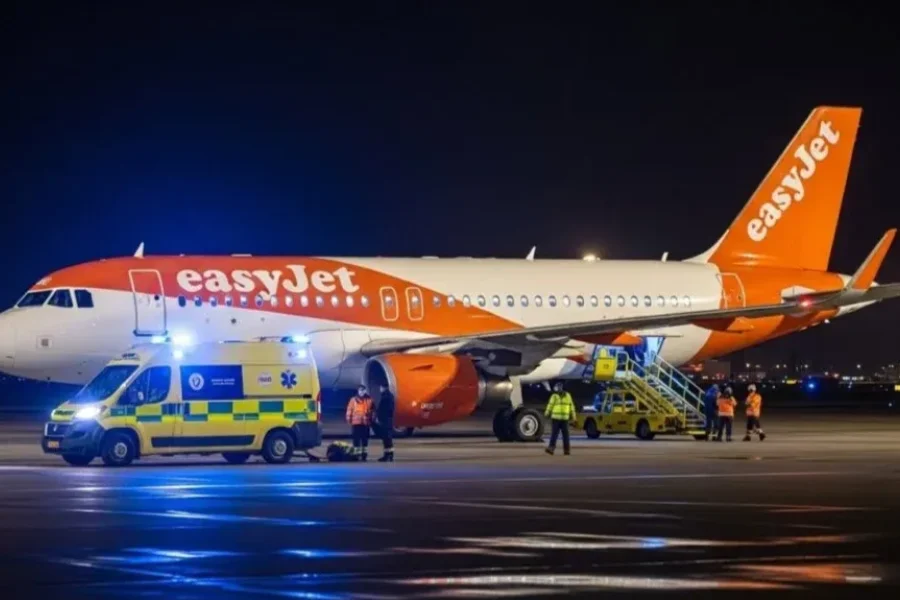
Experiences like the EasyJet Flight U2238 emergency landing in Newcastle offer valuable lessons for every passenger. The first and most important lesson is to always pay attention to the safety briefing. It may feel repetitive, especially if you travel often, but those instructions are designed to prepare you for rare situations. Knowing where the exits are or how to position yourself during landing can make a real difference.
Another key lesson is to follow crew instructions without hesitation. During an unexpected situation, the cabin crew becomes your main source of guidance. They are trained to handle emergencies and know exactly what needs to be done. Even simple actions, like fastening your seatbelt or staying seated, help maintain order and reduce risk.
Staying calm is equally important. It’s natural to feel anxious, but panic can spread quickly in a confined space like an airplane. When you remain calm, you not only help yourself but also contribute to a safer environment for everyone around you. Trusting the crew and understanding that they are in control can make a big difference in how you experience the situation.
Finally, small habits matter more than you think. Keeping your seatbelt fastened while seated, listening carefully to announcements, and staying aware of your surroundings all improve your safety. These simple actions can turn a stressful moment into a manageable one.
Final Words
An emergency landing can sound frightening, but the EasyJet Flight U2238 emergency landing in Newcastle shows how air safety really works. The flight was heading from Copenhagen to Manchester when the crew noticed a possible issue. Instead of taking risks, the pilots made a careful decision to land early at the nearest suitable airport. This is exactly what they are trained to do—act early and keep everyone safe.
Inside the aircraft, both pilots and cabin crew followed clear procedures. The pilots coordinated with air traffic control, while the cabin crew supported passengers and kept things calm. Even though passengers may have felt anxious—especially seeing emergency vehicles on the runway—the landing itself was controlled and safe.
Situations like this are not signs of failure. They are examples of prevention. Modern aviation focuses on fixing small problems before they become serious ones. For you as a passenger, the lesson is simple: trust the crew, stay calm, and follow instructions. In the end, this incident proves that aviation safety works exactly when it matters most.
Thanks for reading—discover more thoughtful and meaningful gift ideas for nurses right here.